Musee archeologique: Uncover Frejus's Roman Past
May 30, 2025

I spent almost two hours exploring the fascinating underwater Roman artifacts, which were far more interesting than I expected. The museum's location near Frejus's historic center made it easy to combine with a walking tour of the ancient Roman sites in the area.
Dive into the hidden world of underwater Roman archaeology where shipwrecks tell stories forgotten for centuries. Discover how maritime excavations near Frejus reveal unexpected secrets about ancient Mediterranean life.
Need-to-Know Info Before Visiting Musee archeologique
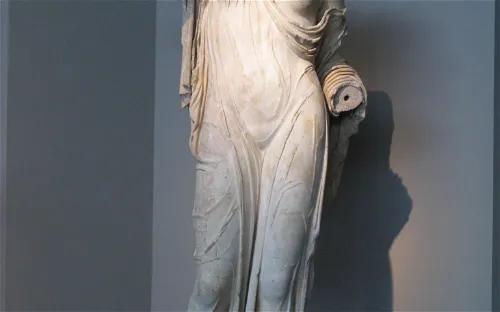
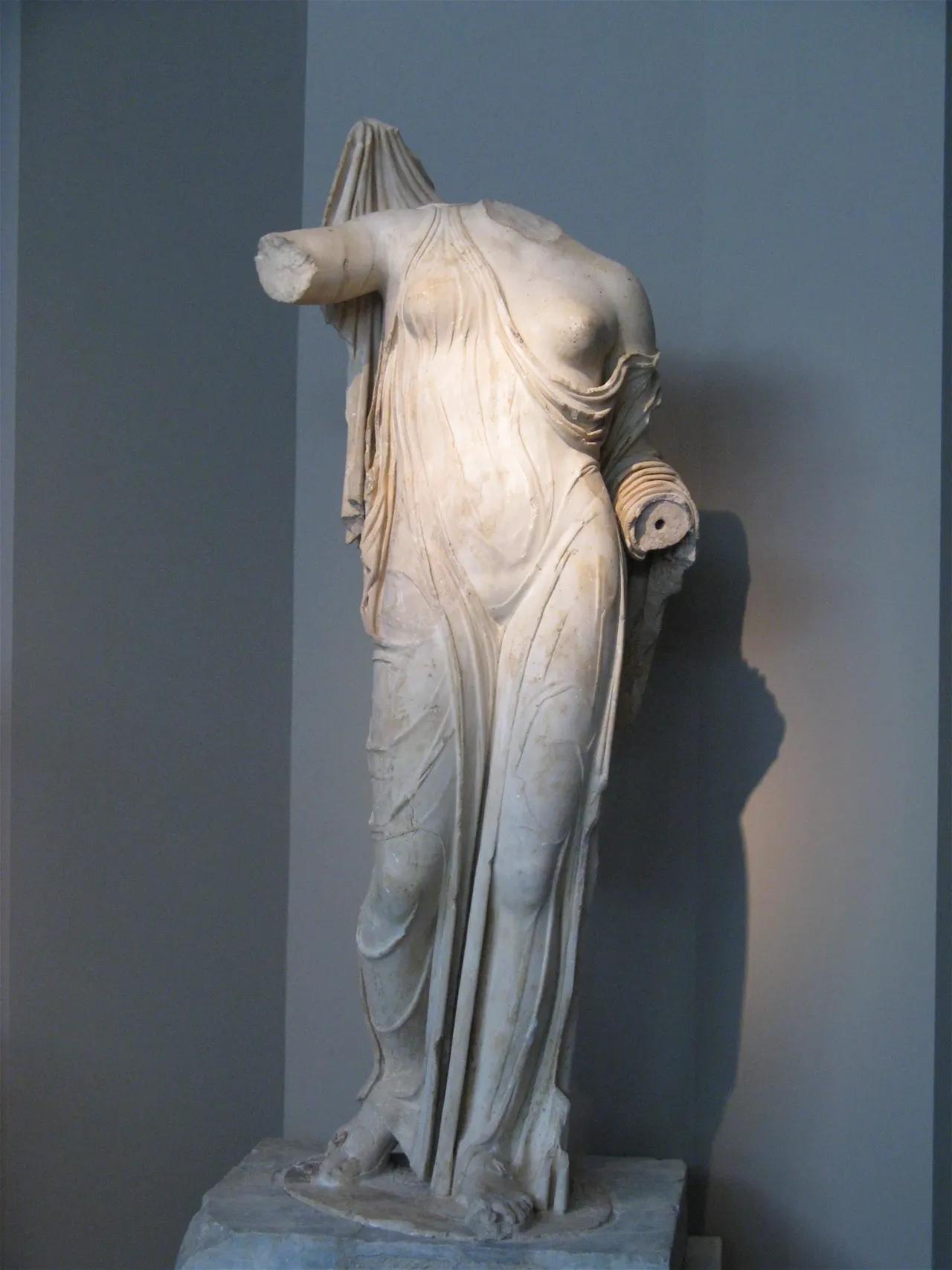
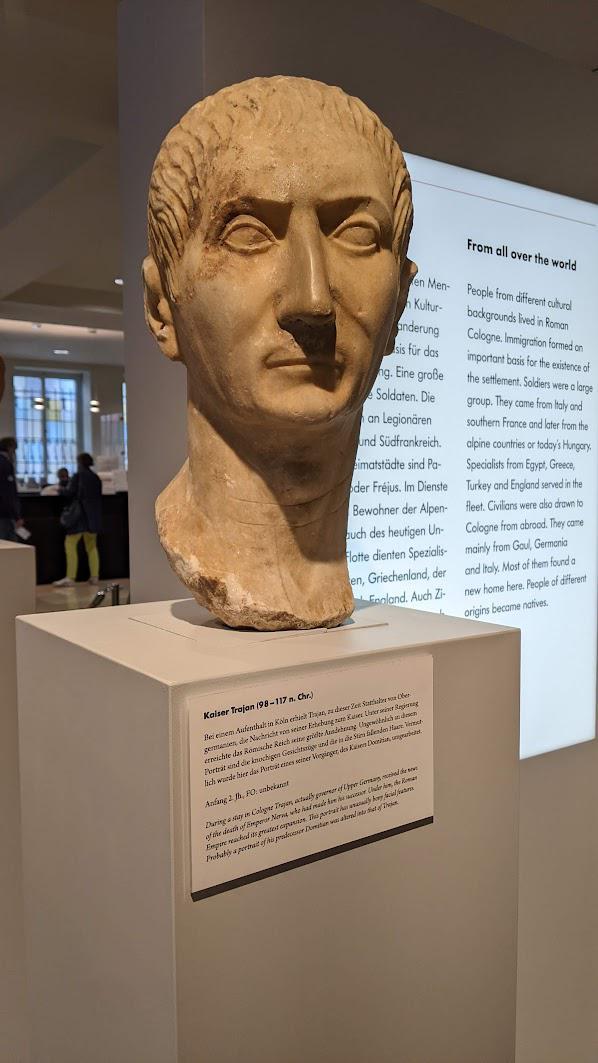
4+
images
Musee archeologique Address
Rue du Méjean, 83600 Fréjus, France
Musee archeologique Opening Hours
- 🕒 Tuesday-Saturday: 9:30 AM - 12:30 PM, 2:00 PM - 6:00 PM
- 🕒 Closed on Mondays and Public Holidays
- 🕒 Winter hours may vary - check website before visiting
How to get to Musee archeologique
- 🚗 By car: Parking available near museum entrance
- 🚌 Public transport: Bus lines 7 and 8 stop nearby
- 🚕 Rideshare: Uber and local taxis accessible
What is Musee archeologique known for?
- Largest collection of underwater Roman archaeological finds in Provence region
- Exhibits prehistoric artifacts discovered in Frejus coastal region
- Displays Roman military equipment and maritime archaeological discoveries
- Features reconstructed Roman architectural fragments from local excavations
- Free admission for visitors interested in ancient Mediterranean history
What is Musee archeologique in Frejus?
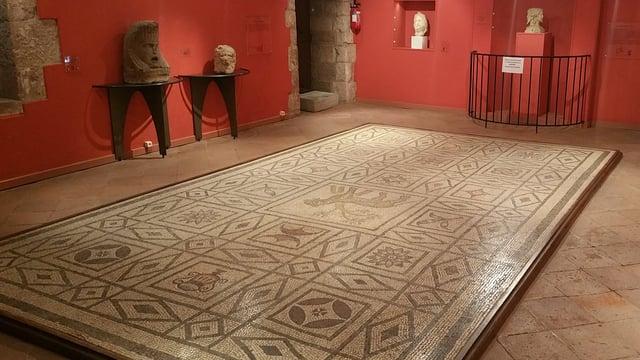
Tucked away in the historic town of Frejus, this archaeological museum transforms how travelers understand Roman maritime history. Located just steps from the Mediterranean coastline, the museum draws around 35,000 visitors annually - making it a key destination for history buffs and curious travelers exploring Provence. Visitors walk through compact exhibition spaces filled with underwater excavation artifacts recovered from ancient Roman shipwrecks, prehistoric stone tools, and military equipment that tell the story of Frejus's strategic importance during the Roman Empire. Unlike massive national museums, this local gem provides an intimate look into regional archaeological discoveries, with displays focusing on maritime trade, naval infrastructure, and daily life in the Roman colony of Forum Julii. The museum's collection stands out for its focus on local underwater archaeological finds - something rarely seen in other regional museums. Tourists typically spend about 90 minutes exploring the exhibits, which range from delicate ceramic fragments to large stone architectural elements salvaged from ancient Roman sites. Student groups and archaeological enthusiasts particularly appreciate the museum's detailed explanations of excavation techniques and historical context behind each artifact.
Top things to do at Musee archeologique
- Explore the underwater Roman excavation display, featuring recovered maritime artifacts from ancient shipwrecks near Frejus
- Examine prehistoric stone tools and archaeological finds from the local Provence region, with detailed explanations of their historical context
- View reconstructed Roman military equipment and learn about the strategic importance of Forum Julii (ancient Frejus) in Roman maritime trade
- Check out the collection of ancient ceramic fragments and architectural elements salvaged from local Roman archaeological sites
- Participate in the museum's educational displays about archaeological excavation techniques used in underwater and terrestrial research
- Take photographs of the carefully preserved Roman artifacts and listen to the complimentary audio guide explaining each exhibit's significance
Tickets and Entry
Entry to the Musee archeologique is free for all visitors. No advance booking required. Donations are welcome and help support ongoing archaeological research and preservation efforts. The museum offers complimentary audio guides in French and English, which provide deeper context for the exhibits. School groups and researchers can request special guided tours by contacting the museum administration in advance.
History of Musee archeologique
- 1950s: Initial archaeological excavations begin in Frejus uncovering Roman maritime artifacts
- 1967: Museum established to preserve and display local archaeological discoveries
- 1980s: Significant underwater excavation projects expand museum's maritime Roman collection
- 2000: Major renovation and expansion of exhibition spaces
- 2010: Introduction of digital interactive displays to enhance visitor experience
- 2018: Updated preservation techniques implemented for fragile underwater artifacts
Tips for Visitors
- Allow 90 minutes for a comprehensive museum tour
- Photography is permitted without flash
- Wear comfortable walking shoes
- English and French audio guides available at reception
- Nearby cafes and restaurants for lunch after museum visit
- Accessibility ramps available for visitors with mobility challenges
What are some interesting facts about Musee archeologique?
- Local divers discovered over 200 Roman artifacts in the waters near Frejus, with many of these underwater finds exclusively displayed in this museum
- The museum sits on the exact location of an ancient Roman naval base, making its location as historically significant as its collection
- Many artifacts in the collection were recovered within a 5-kilometer radius of the museum, representing a hyper-local archaeological treasure trove