
Parc Zoologique de Frejus: A Mediterranean Wildlife Adventure
May 20, 2025

We spent close to four hours exploring the diverse animal habitats and enjoying the keeper demonstrations at Parc Zoologique de Frejus. The zoo's Mediterranean garden and conservation efforts made this more than just a typical wildlife experience, especially with its focus on local ecosystem preservation.
Hidden in the French Riviera, Parc Zoologique de Frejus is a wildlife sanctuary where 500 animals roam through a Mediterranean botanical wonderland. Discover a zoo that's more than just animal exhibits - it's a living, breathing conservation classroom where every pathway tells a story of ecological preservation.
Need-to-Know Info Before Visiting Parc Zoologique de Frejus

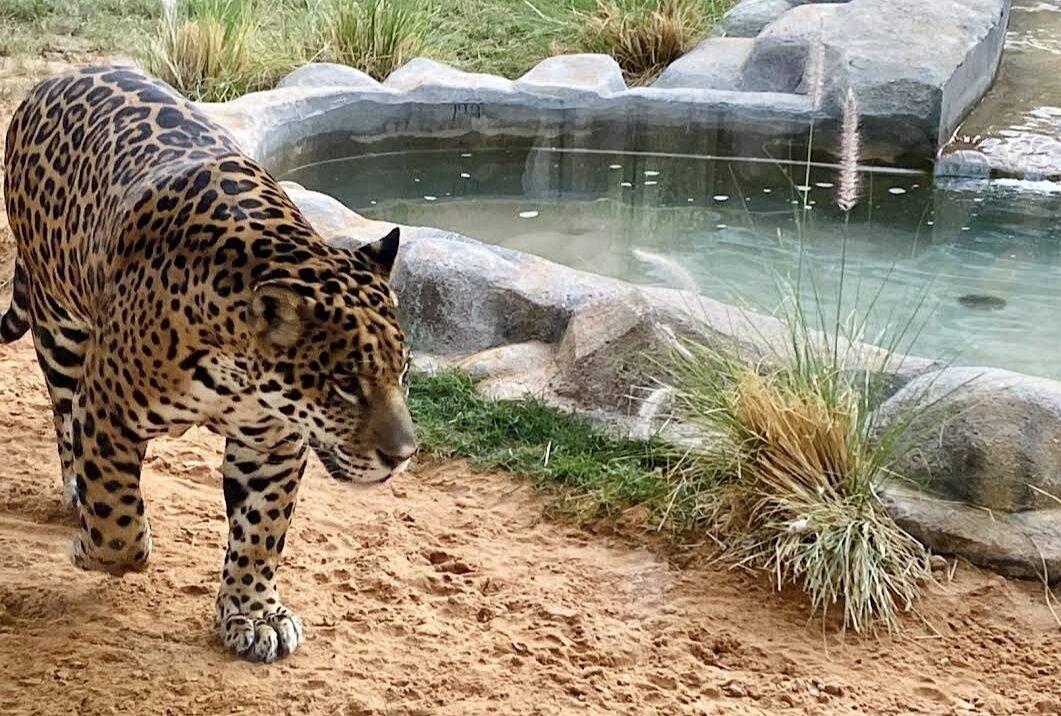
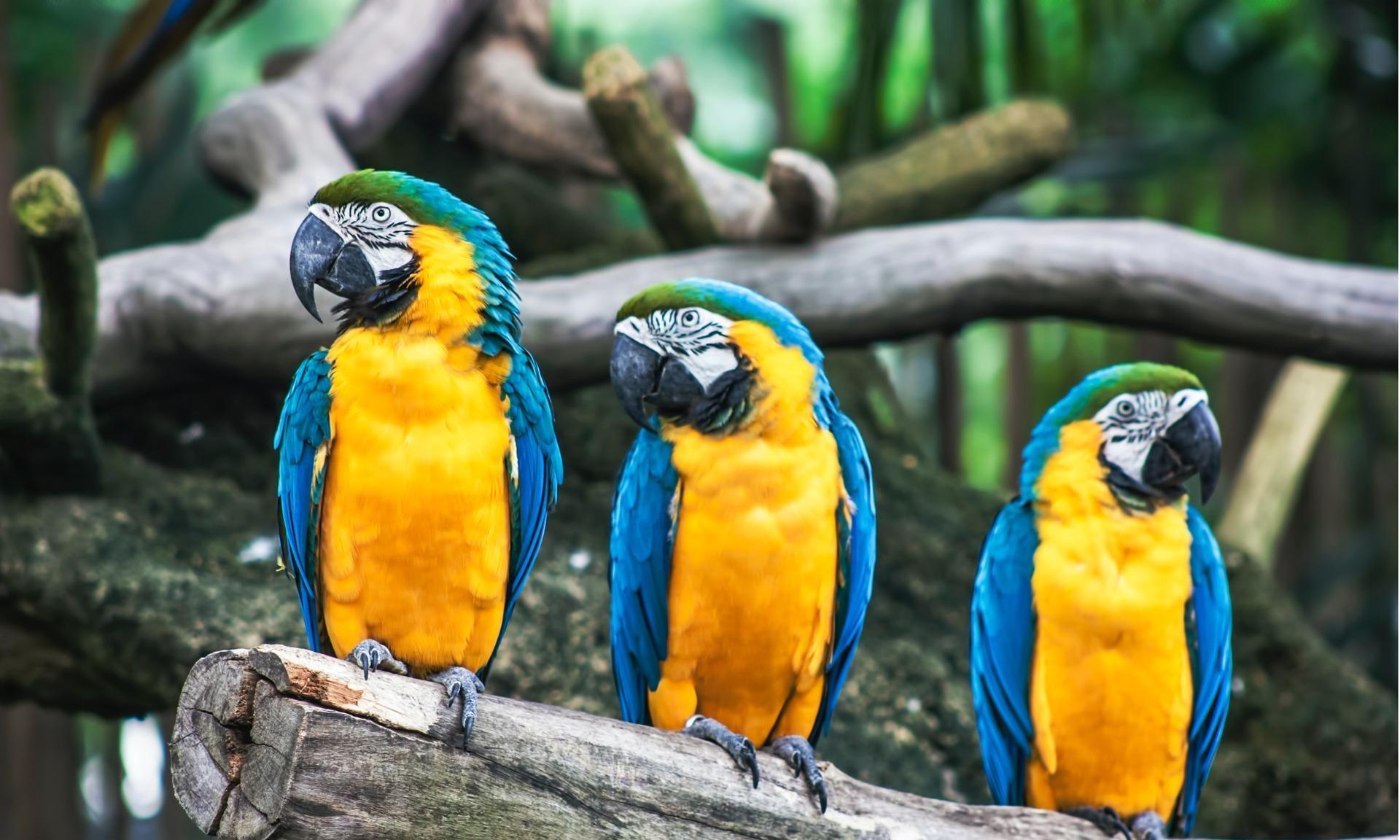
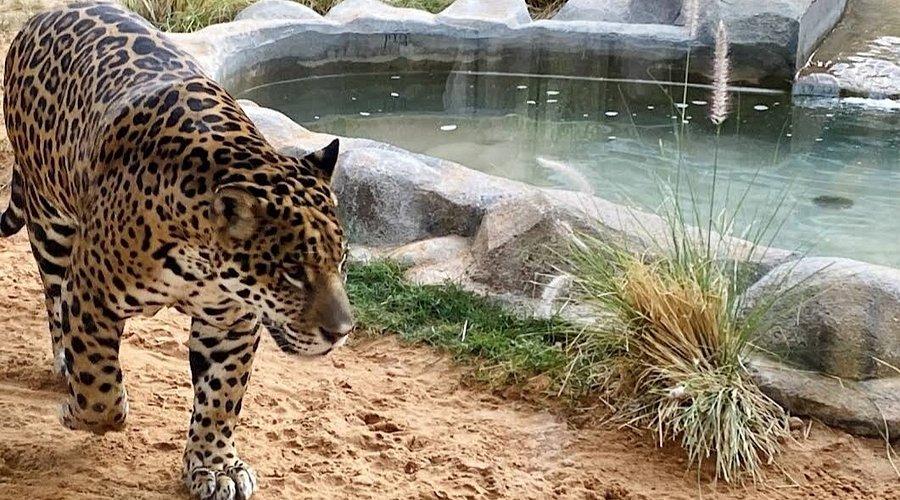
5+
images
Parc Zoologique de Frejus Address
Route de Saint-Raphaël, 83600 Fréjus, France
Parc Zoologique de Frejus Opening Hours
- 🕒 Summer (April-September): 10:00 AM - 7:00 PM
- 🕒 Winter (October-March): 10:00 AM - 5:00 PM
- 🕒 Closed on select holidays - check website before visiting
How to get to Parc Zoologique de Frejus
- 🚗 By car: Accessible via A8 motorway, parking available on-site
- 🚌 Public transport: Local bus lines 7 and 8 stop nearby
- 🚕 Rideshare: Uber and local taxi services available in Frejus
What is Parc Zoologique de Frejus known for?
- Home to approximately 500 animals representing 95 different species
- Mediterranean botanical garden with 12 palm tree species and centenary olive trees
- Family-friendly wildlife conservation and education center
- Hosts daily animal keeper demonstrations and interactive experiences
- Features diverse habitats including mammals, birds, and reptile zones
What is Parc Zoologique de Frejus in Frejus?
Tucked away in the sun-drenched landscape of southern France, Parc Zoologique de Frejus stands as a compact wildlife sanctuary that punches well above its weight. This Mediterranean gem attracts thousands of visitors each year, offering an intimate wildlife experience that goes beyond typical zoo encounters. Spread across a carefully curated landscape featuring 12 different palm tree species, ancient olive groves, and aromatic Mediterranean plants, the zoo is a green oasis housing nearly 500 wild animals from 95 distinct species. Families and wildlife enthusiasts find themselves wandering through thoughtfully designed habitats that showcase mammals, birds, and reptiles in environments that closely mimic their natural settings. What sets this zoo apart is its commitment to conservation and education, with daily keeper demonstrations that transform a simple visit into an interactive learning experience about wildlife protection. Unlike massive metropolitan zoos, Parc Zoologique de Frejus provides a more personal, close-up interaction with animals, making it a hidden treasure for travelers seeking an authentic wildlife experience in the French Riviera region.
Top things to do at Parc Zoologique de Frejus
- Attend daily animal keeper demonstrations and learn about wildlife conservation directly from experts
- Explore the Mediterranean botanical garden featuring 12 unique palm tree species and centenary olive trees
- Participate in interactive feeding sessions with selected animal species
- Take a guided tour focusing on animal behavior and habitat preservation techniques
- Discover the zoo's breeding programs for endangered species native to Mediterranean ecosystems
- Enjoy themed educational workshops designed for children and families about wildlife protection
- Walk through diverse habitat zones showcasing mammals, birds, and reptiles from different global regions
- Visit the on-site conservation center to understand the zoo's environmental research and protection efforts
Tickets and Pricing
Parc Zoologique de Frejus offers affordable entry with flexible ticket options. Adult tickets cost approximately €15, children (ages 3-12) €10, and children under 3 enter free. Online pre-booking provides a 10% discount and helps avoid queues during peak summer months. Family packages and annual passes are available for frequent visitors.
Best Time to Visit
The zoo is most enjoyable during spring and autumn when temperatures are mild and animals are most active. Summer months (June-August) can be hot, so plan morning or late afternoon visits. Weekdays are less crowded compared to weekends. Spring offers baby animal viewing opportunities, while autumn provides comfortable walking conditions through the Mediterranean landscape.
History of Parc Zoologique de Frejus
- 1970s: Initial establishment of the zoo in the Mediterranean region
- 1980s: First significant expansion of animal habitats
- 1990s: Introduction of conservation and breeding programs
- 2000: Implemented modern ecological management practices
- 2010: Major renovation of animal enclosures to improve animal welfare
- 2015: Became a recognized center for Mediterranean wildlife conservation
Tips for Visitors
- Wear comfortable walking shoes and light clothing
- Bring water, sunscreen, and a hat during summer months
- Check feeding times and keeper talk schedules upon arrival
- Allow 3-4 hours for a comprehensive zoo experience
- Bring a camera with zoom capabilities for wildlife photography
- Visit the on-site café for refreshments and local cuisine
- Consider purchasing a guidebook for detailed animal information
Cultural Significance
Parc Zoologique de Frejus represents more than just a wildlife attraction. It serves as a critical educational center highlighting Mediterranean ecosystem conservation. The zoo plays a significant role in local environmental awareness, showcasing the region's biodiversity and promoting wildlife protection through interactive experiences and research programs.
What are some interesting facts about Parc Zoologique de Frejus?
- The zoo's Mediterranean botanical garden contains palm tree species from 12 different global regions, making it a unique botanical showcase
- Wildlife keepers here have successfully bred three endangered Mediterranean species not found in most other European zoos
- The park uses sustainable local plant species in animal enclosures, creating micro-ecosystems that closely mimic natural habitats